
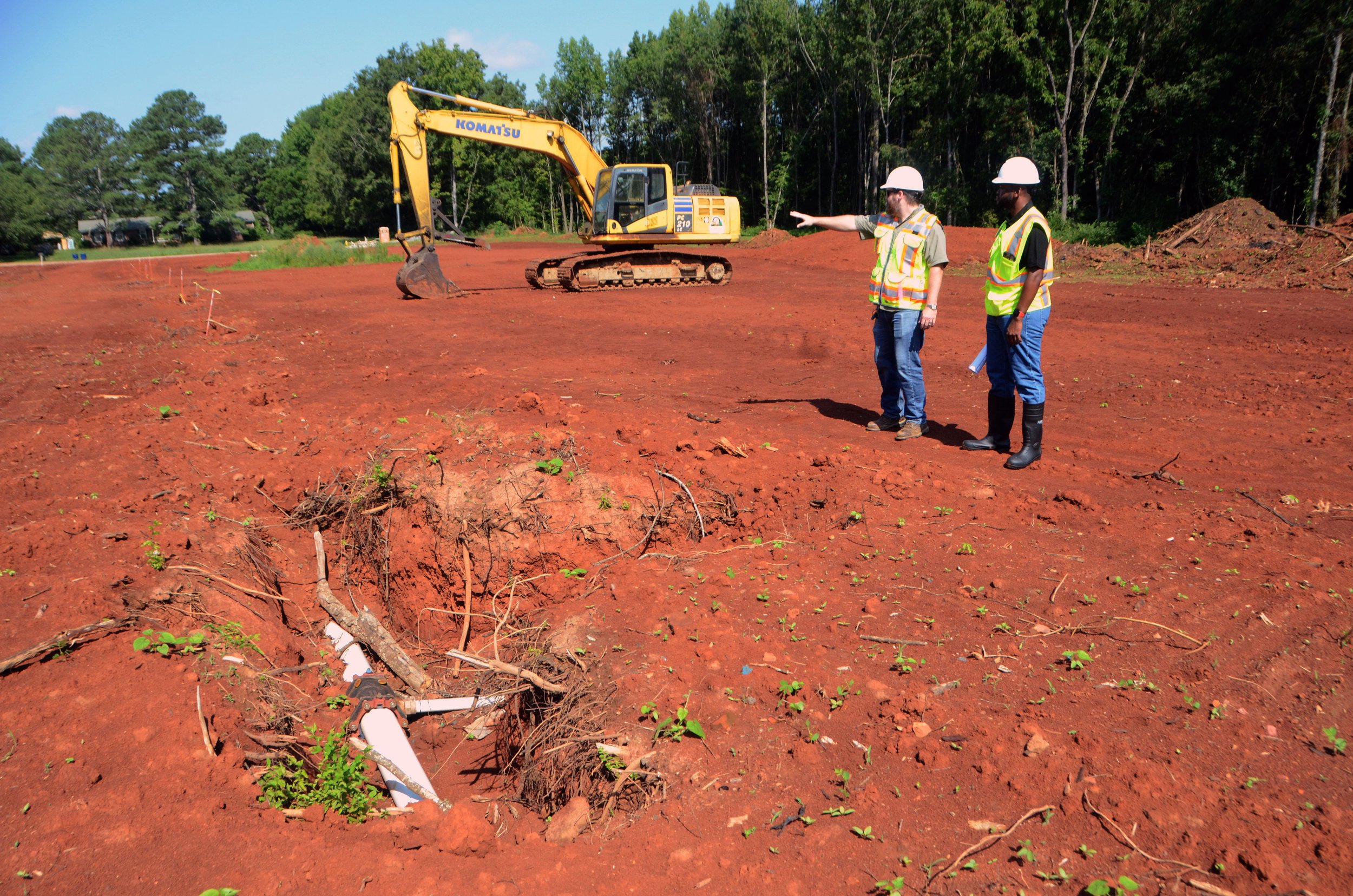

Land development often appears straightforward at first glance. A piece of land may seem ready for construction until technical details reveal hidden challenges beneath the surface. Civil engineering consultants study those details early so projects move forward safely and within regulatory standards.
Property Access Points Placed Where Traffic Becomes Unsafe
Access driveways and road entrances influence traffic safety more than many developers realize. Placement that ignores sight distance, traffic flow, or intersection spacing can create dangerous driving conditions. Vehicles entering or leaving a property may block through traffic or cause sudden braking along busy roads. Professional review from civil engineering firms helps determine where entrances should connect to public streets. Engineers evaluate speed limits, nearby intersections, and expected traffic volumes before recommending safe access locations. Civil engineering services also consider turning movements for delivery trucks and emergency vehicles so the property remains accessible without creating traffic hazards.
Stormwater Runoff Damaging Nearby Properties or Roads
Rainwater behaves differently once land is cleared and paved. Soil that once absorbed rainfall becomes replaced with rooftops, parking areas, and compacted surfaces. Without proper stormwater design, runoff may flow toward neighboring land or nearby roads. Engineers calculate drainage flow based on rainfall data and land slope. Civil engineering companies design storm drains, detention ponds, and grading patterns that guide water away from structures and public infrastructure. Without that technical planning, runoff may cause erosion, roadway damage, or flooding on surrounding properties.
Underground Utilities Damaged During Early Excavation
Beneath nearly every development site lies a network of buried utilities. Water lines, sewer pipes, gas conduits, and communication cables may cross the property in ways that are not immediately visible. Excavation without proper investigation can damage these systems and disrupt services across nearby neighborhoods.
Civil engineering consultants review utility records and survey data before construction begins. Engineers coordinate with local utility providers to confirm line locations and protect existing infrastructure. Civil engineering services help prevent costly repair work that often follows accidental utility strikes during early site work.
Retaining Walls Built Without Proper Structural Review
Retaining walls often appear during projects that involve slopes or elevation changes. These structures hold soil in place while supporting driveways, parking areas, or building pads. Improper design can lead to wall movement or structural failure over time.
Engineers analyze soil pressure, drainage behind the wall, and foundation conditions before approving wall designs. Civil engineering firms calculate structural requirements that keep retaining walls stable under heavy loads. Proper engineering review ensures these structures perform safely for decades.
Drainage Paths Sending Water Toward Building Foundations
Grading decisions shape how water moves across a property. Improper slopes may direct runoff toward building foundations instead of away from them. Standing water around structures can weaken foundations, damage materials, and create long term maintenance problems.
Civil engineering companies design site grading patterns that guide water toward storm drains or drainage channels. Engineers calculate elevation differences carefully so water follows predictable paths. Civil engineering consultants also coordinate drainage design with foundation layouts to protect structures from water related damage.
Environmental Restrictions Discovered After Land Clearing
Certain properties contain environmental conditions that require regulatory protection. Wetlands, protected waterways, and soil preservation zones may exist even if they are not obvious during initial property visits. Discovering these restrictions after clearing begins can halt a project unexpectedly.
Civil engineering consultants evaluate environmental maps, soil reports, and floodplain data before construction begins. Engineers work with regulatory agencies to determine which areas require protection or mitigation. Civil engineering services help identify these restrictions early so development plans can adapt without costly delays.
Roadway Grades Too Steep for Safe Vehicle Access
Road slopes affect how safely vehicles can travel through a development. Excessive grade changes may create problems for delivery trucks, emergency vehicles, or passenger cars during wet or icy conditions. Poor road design can also cause drainage problems along the pavement.
Civil engineering firms calculate roadway slopes that meet transportation safety standards. Engineers review elevation changes across the property while designing access roads that remain practical for daily use. Proper planning helps prevent situations where roads become difficult or dangerous to drive.
Inadequate Erosion Control During Early Site Work
Land clearing and grading expose soil that can easily wash away during rainfall. Without erosion control measures, sediment may enter nearby streams, drainage channels, or public roadways. This runoff can damage surrounding land and violate environmental regulations.
Civil engineering consultants design erosion control systems that protect exposed soil during construction. Engineers specify sediment barriers, stabilized entrances, and temporary drainage controls that reduce runoff. Civil engineering services help construction teams maintain environmental compliance while preparing the site for development.
Ivaldi Engineering provides civil engineering services that help property owners address the technical factors often hidden during the earliest stages of land development. Their team evaluates drainage, grading, infrastructure access, and environmental conditions so projects begin with accurate site analysis. Developers searching for a dependable civil engineer near me often rely on experienced civil engineering consultants to prevent design mistakes that lead to safety concerns or costly delays. Work performed by professionals within established civil engineering firms helps ensure land development moves forward with responsible planning and infrastructure design that protects both the property and surrounding community.