
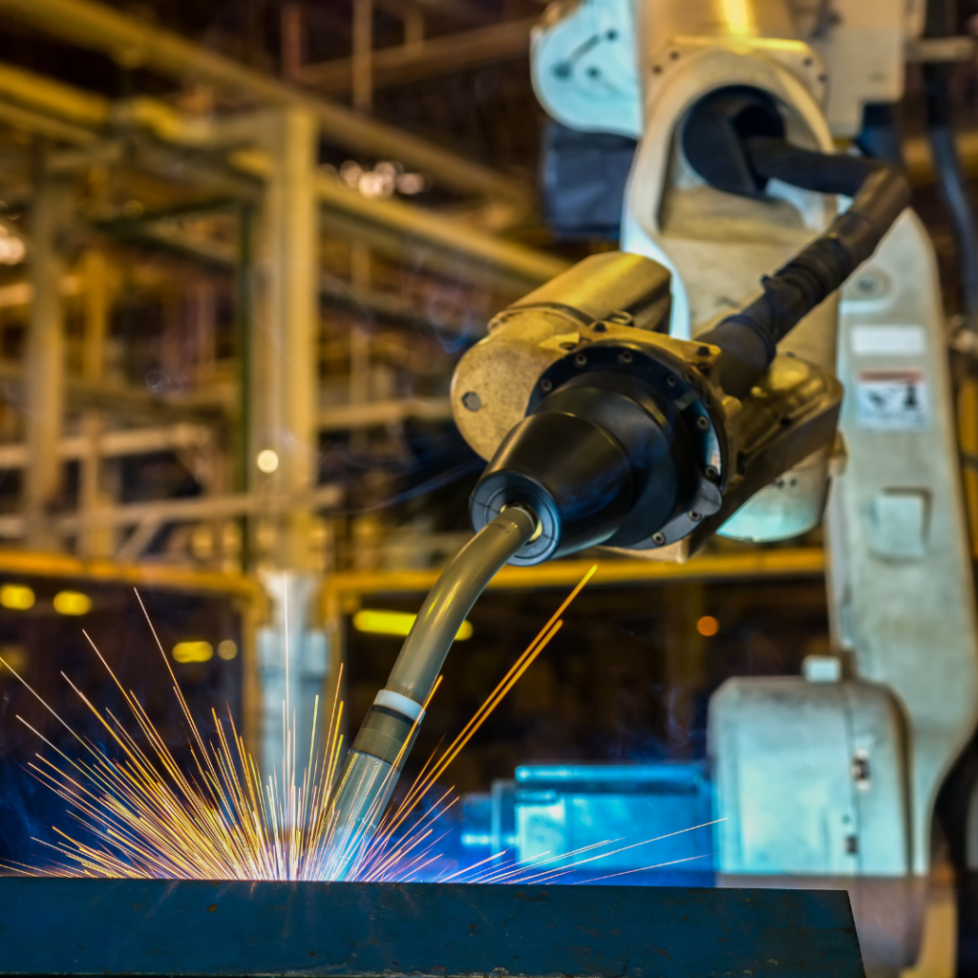

Cutting thick steel cleanly is not only about power; it is about understanding limits and matching equipment to the job. Many buyers look at numbers on a specification sheet without fully grasping what those numbers mean in real production settings. Knowing how cutting capacity works in a CNC plasma cutting machine helps prevent costly mistakes and underperforming results.
1. What Exactly Is CNC Plasma Cutting Capacity?
Cutting capacity refers to the maximum thickness a CNC plasma cutter can cut effectively while maintaining a clean edge and acceptable speed. It reflects the balance between amperage, arc stability, gas flow, and machine design. A plasma cutter may technically pierce a thick plate, but that does not always mean it can produce a smooth, production-ready cut at that thickness.
Capacity ratings are typically provided for mild steel, since it is one of the most common materials processed. However, those numbers represent controlled conditions. Real-world shop environments often vary due to voltage fluctuations, material quality, and operator setup. Understanding this distinction helps operators choose the right CNC plasma cutting machine for consistent results rather than occasional peak performance.
2. Why Does Material Type Affect Cutting Thickness?
Steel, stainless steel, and aluminum conduct heat differently. Their density and composition change how the plasma arc transfers energy through the plate. A plasma cutter may cut one-inch mild steel cleanly but struggle at the same thickness in stainless steel.
Material properties determine how quickly heat dissipates from the cutting zone. Stainless steel, for example, resists heat flow, which affects edge quality and slag formation. Operators working with mixed materials should consult a knowledgeable CNC machine company to understand how capacity shifts depending on the material type.
3. The Difference Between Rated and Maximum Cut?
Manufacturers often list two figures: rated cut and maximum cut. Rated cut refers to the thickness the CNC plasma cutter can handle consistently with good edge quality and reasonable speed. Maximum cut describes the absolute thickest material the plasma cutter can sever, usually at reduced speed and with lower edge finish.
Production shops focus on rated capacity because it reflects sustainable performance. Maximum cut ratings are more of an emergency threshold. Recognizing the difference prevents overloading equipment and helps avoid unnecessary wear on the CNC plasma cutting machine.
4. How Does Amperage Determine Your Cutting Limits?
Amperage directly influences arc energy. Higher amperage produces a hotter arc capable of penetrating thicker material. A plasma cutter operating at 45 amps will not match the thickness capacity of a 125-amp system.
Still, more amperage does not automatically mean better results. Excessive amperage on thin materials can widen the kerf and distort the plate. Operators should match amperage to the intended material thickness and consult CNC companies near me for guidance when selecting equipment based on workload demands.
5. Does Cutting Speed Impact the Quality of the Edge?
Speed plays a significant role in cut quality. Moving too slowly allows excess heat to accumulate, causing rough edges and increased dross. Moving too quickly can result in incomplete penetration or angled cuts. The correct speed ensures that the plasma arc stays focused and stable. A well-calibrated CNC plasma cutter balances speed with amperage to produce smooth, square edges. Fine adjustments often separate average results from professional-grade output.
6. How Do Consumables Influence Your Machine’s Capacity?
Consumables include electrodes, nozzles, and shields that shape and direct the plasma arc. Worn consumables weaken arc stability and reduce effective cutting capacity. Even a powerful CNC plasma cutting machine will underperform if consumables are damaged or nearing the end of their life.
Routine inspection prevents unexpected capacity drops. Replacing consumables at recommended intervals maintains arc focus and edge precision. Shops that ignore consumable wear often misinterpret declining performance as a machine limitation rather than a maintenance issue.
7. Reasons Duty Cycle Is Critical for Thick Material Projects
Duty cycle indicates how long a plasma cutter can operate at a given amperage within a specific time frame before requiring cooling. Thick material projects demand sustained high amperage, which stresses the system.
Machines with insufficient duty cycle ratings may overheat and shut down during long cuts. Selecting equipment with adequate duty cycle ensures uninterrupted operation. A CNC machine company can evaluate production schedules and recommend systems built for heavy, continuous workloads.
8. Can Piercing Capacity Differ From Edge-Start Capacity?
Piercing capacity measures how thick a plate the machine can pierce from the center without pre-drilled holes. Edge-start capacity refers to starting the cut from the edge of the plate. Piercing often requires more energy because the arc must break through solid material from a stationary position.
Edge starts generally allow slightly greater thickness than pierce starts. Understanding this difference helps operators plan their cutting strategy. Shops comparing options from CNC companies near me should review both ratings to ensure the CNC plasma cutter meets project requirements.
Selecting the right plasma cutter involves more than comparing maximum thickness numbers. Experienced technical teams can evaluate material types, production speed, and expected workload before recommending equipment. Amtec Solutions Group provides guidance, system configuration support, and durable CNC plasma cutting machine options designed to match real-world cutting demands