
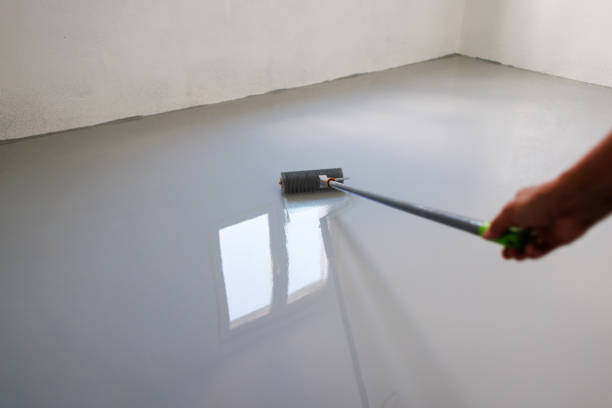

A flooring contractor can install a beautiful epoxy floor that still fails to meet the needs of a busy workplace. Heavy equipment, chemical spills, and frequent cleaning can wear down a coating that was never designed for those conditions. Knowing what goes into a commercial floor coating system helps business owners recognize whether contractors are recommending the right materials for their space.
Different Businesses Need Different Types of Epoxy Coatings
A retail showroom and an automotive repair shop may both benefit from epoxy flooring, but their floors face different demands. Showrooms often need an attractive finish that handles foot traffic and routine cleaning. Repair shops deal with vehicle weight, oil spills, dropped tools, and tire contact. Professional epoxy floor companies should consider these differences before recommending a coating thickness, finish, or protective topcoat.
Coating specifications matter more than appearance alone. Thin decorative systems may work in lightly used spaces, while facilities with heavy machinery may need thicker, more durable applications. Contractors should ask about equipment weight, daily traffic, and substances that regularly contact the floor. These details help prevent businesses from paying for a coating that cannot withstand their normal operations.
Is the Contractor Checking the Concrete Before Selecting Materials?
A coating system cannot perform properly if the concrete beneath it is unsuitable. Moisture trapped inside the slab, oil contamination, weak surface material, and existing sealers can interfere with adhesion. Experienced installers inspect these conditions and determine whether grinding, repairs, or moisture-control products are necessary before application.
Businesses comparing epoxy floors near me should ask how contractors evaluate concrete condition. A visual inspection alone may not reveal excessive moisture or contamination beneath the surface. Professional testing and proper preparation help determine which primers and coating products can bond effectively. Skipping these steps may cause peeling or blistering even with expensive materials.
The Right Topcoat Matters as Much as the Epoxy Base
Epoxy provides a durable bonded layer, but its performance can improve with a compatible protective topcoat. Polyurethane and polyaspartic finishes may offer additional resistance to abrasion, staining, or ultraviolet exposure, depending on their formulation. Areas near large windows or open entrances may benefit from UV-resistant materials because certain epoxy products can yellow under prolonged sunlight.
Businesses researching commercial epoxy flooring should ask whether the proposed system includes a topcoat and why that material suits their facility. A warehouse with constant cart movement may need different surface protection than a retail store exposed to sunlight. Contractors should also explain expected coating thickness and how the selected layers work together.
Chemical Exposure and Cleaning Methods Affect Coating Selection
Cleaning products, automotive fluids, food ingredients, and industrial chemicals do not affect every coating the same way. Certain substances may soften, discolor, or damage an unsuitable finish after repeated exposure. A contractor should identify which chemicals employees handle and how long spills might remain on the floor. Product resistance information can help determine whether the proposed coating is appropriate.
Cleaning routines deserve equal attention. Businesses searching for epoxy flooring near me should explain whether employees use floor scrubbers, pressure washing, degreasers, or disinfectants. Repeated exposure to aggressive cleaning products can shorten coating life if the materials lack suitable resistance. Contractors may recommend alternative finishes or maintenance methods based on these conditions.
Slip Resistance Should Match the Working Environment
A smooth coating may look attractive but become slippery when exposed to water, grease, or cleaning solutions. Restaurants, service bays, and loading areas often need finishes with added texture to improve traction. Contractors can incorporate slip-resistant aggregates, although rougher surfaces may require more effort to clean.
Owners searching for epoxy garage floor near me for automotive businesses should consider where employees handle fluids and move equipment. The coating must balance traction with practical maintenance needs. An experienced installer can explain which textures are suitable for each work area without making the entire floor unnecessarily rough.
Does the Flooring Proposal Explain What the Business Is Paying For?
A detailed estimate should identify the primer, base coating, topcoat, surface preparation, and repair work included in the project. Vague descriptions make it difficult to compare contractors or understand why installation prices differ. Business owners should also request information about curing times, maintenance requirements, and warranty limitations.
Getting the right coating system starts with understanding what the floor goes through each day. Elite Coastal Epoxy works with businesses that need durable floor coatings suited to their work environments. Whether the space handles steady foot traffic, rolling equipment, or frequent spills, a professional evaluation can help identify flooring materials that offer the protection and performance the business needs.